From Passive to Proactive: Embracing Reverse Recruiting in Your Organization
Open the Power of Reverse Hiring Methods for Effective Talent Procurement
By enticing leading skill to seek out opportunities within your organization, reverse recruiting provides a fresh method to drawing in and maintaining key personnel. As companies strive to stay in advance in the ability video game, unlocking the potential of reverse recruiting methods could be the trick to safeguarding a solid and dynamic labor force.
Understanding Reverse Recruiting
Recognizing reverse recruiting is pivotal in browsing the developing landscape of ability procurement methods. Unlike standard employment techniques where employers seek candidates, reverse recruiting includes the proactive approach of candidates choosing prospective employers. This standard change puts prospects in the chauffeur's seat, allowing them to choose firms that line up with their values, job objectives, and work preferences.
In significance, reverse recruiting equips candidates to take control of their work search process by researching firms, getting to out to recruiters or working with supervisors directly, and showcasing their skills and experiences. For companies, this technique provides a distinct possibility to draw in top skill who are really thinking about the company and its goal, fostering an extra engaged and devoted workforce.
Benefits of Reverse Hiring
Using reverse recruiting methods can produce significant benefits for both prospects and employers in the talent purchase procedure. By being come close to by companies who have currently determined them as prospective fits for their organization, prospects can feel a lot more valued and looked for after.
On the various other hand, employers can gain from reverse recruiting by getting to a pool of passive prospects that might not be proactively seeking brand-new opportunities. This enables organizations to target individuals with particular ability or experiences that align with their demands, potentially bring about better hires. In addition, reverse recruiting can assist firms separate themselves in an affordable talent market by showcasing a proactive and forward-thinking technique to recruitment. Eventually, the benefits of reverse recruiting reach both candidates and companies by improving the hiring process and fostering even more significant connections in between both parties.
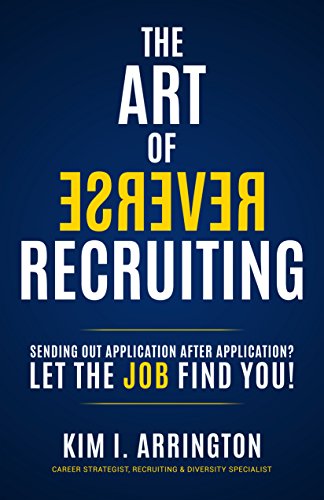
Applying Reverse Hiring Strategies
To effectively integrate reverse recruiting tactics into an ability procurement technique, organizations must prioritize aggressive engagement with possible prospects. This requires identifying top talent within the sector and developing connections with them prior to a real work opening emerges. One essential strategy is to leverage social media sites platforms to connect with easy candidates who may not be proactively looking for brand-new chances. By showcasing the company society, worths, and occupation advancement chances, organizations can ignite the passion of prospective candidates and construct a skill pipe for future requirements.
Additionally, implementing customized interaction methods can also improve the performance of reverse recruiting. By consistently nurturing connections with leading ability, organizations can More Help remain in advance in the affordable ability procurement landscape and secure the best candidates for their group - reverse recruiting.
Leveraging Technology in Reverse Recruiting
In the digital age of skill purchase, taking advantage of technological developments is paramount for effective implementation of reverse recruiting methods. Leveraging innovation backwards recruiting uses countless advantages to simplify the procedure and bring in leading skill successfully. Candidate monitoring systems (ATS) play an essential role in managing candidate information, tracking communications, and automating interaction, permitting employers to concentrate on building relationships with potential hires.
Additionally, leveraging artificial intelligence (AI) and artificial intelligence can boost the prospect experience by customizing interactions, analyzing large sets of information to determine appropriate candidates, and forecasting future working with requirements. AI-powered chatbots can engage with candidates in real-time, offering immediate aid and celebration important information to analyze prospect fit. Furthermore, utilizing information analytics tools can aid employers determine the effectiveness of check out this site their reverse recruiting strategies, recognize areas for renovation, and make data-driven choices to optimize the ability purchase process. By embracing modern technology backwards recruiting, companies can stay in advance in the competitive skill market and safe leading talent successfully.
Measuring Success in Reverse Hiring
Having actually developed the fundamental role of innovation in maximizing reverse recruiting strategies, anchor the next crucial step exists in efficiently measuring the success of these innovative approaches. In the realm of reverse recruiting, typical metrics like time-to-fill and cost-per-hire might not completely catch the effect of these approaches. Rather, gauging success in reverse recruiting needs an extra nuanced approach that concentrates on candidate interaction, company branding improvement, and lasting ability retention.
One trick statistics to consider is candidate experience. By gathering comments from prospects that have gone with the reverse recruiting procedure, organizations can get beneficial insights into locations for renovation and recognize toughness to utilize. In addition, tracking metrics connected to company brand perception, such as social networks belief and Glassdoor evaluations, can offer a more holistic sight of just how reverse recruiting is shaping the organization's track record in the skill market.
Ultimately, success backwards recruiting need to be determined not only by the performance of loading duties yet likewise by the quality of hires, their placement with business culture, and their lasting performance within the firm. By embracing an extensive approach to gauging success, organizations can truly unlock the potential of reverse recruiting approaches for effective talent procurement.
Final Thought